
Burkina Faso:
The agriculture project in Burkina Faso aims to empower youth- and women-led MSMEs through training, market access, and financial services. It focuses on developing entrepreneurs’ skills, facilitating market connections via trade fairs and digital platforms, and creating tailored financial products. Key activities include farmer training, introducing solar irrigation, promoting climate-smart practices, establishing market links, and providing startup support. The project aims to create over 11,700 jobs, train 20,000 farmers and 12,000 young advisors, distribute 370,000 input packages, and foster new market partnerships, ultimately enhancing livelihoods and sustainable agricultural growth.
Mali:
The Mali project promotes small-scale irrigation and green energy-powered mechanization to improve productivity, resilience, and market access for rice and maize farmers in Sikasso and Koulikoro. It involves implementing renewable energy irrigation systems, sustainable mechanization models, capacity building for farmers, and efforts to increase crop yields and market opportunities, supporting environmentally friendly farming practices.
Rwanda:
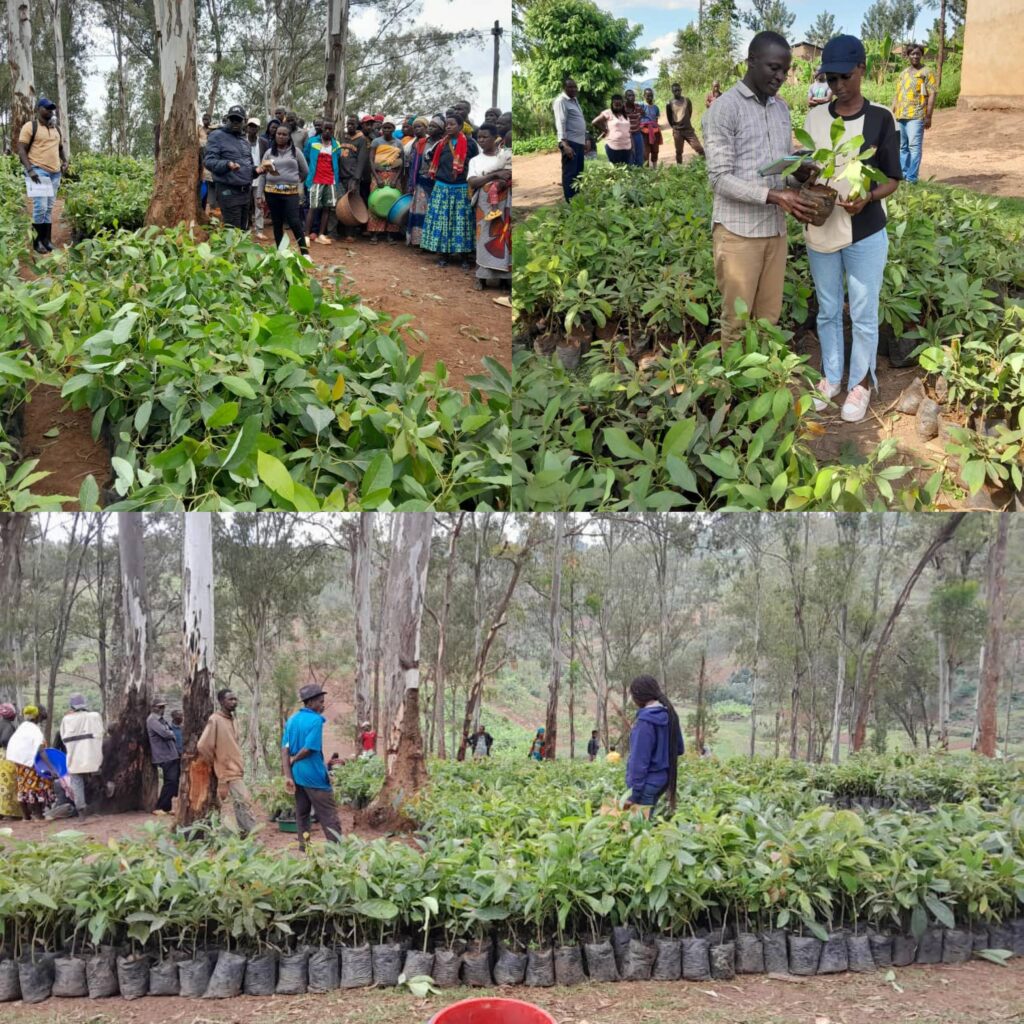
The Rwanda Avocado Value Chain Project, titled *“Strengthening the Avocado Value Chain through Increased Youth Participation,” is a two-year initiative supported by a $700,000 investment from MCF and BMGF, managed by HoReCo and Baso. It targets addressing challenges such as poor seed quality, limited land, and planning gaps to boost avocado production, in line with national development goals. Key activities include establishing nurseries, training farmers, supporting youth-led farms, improving market facilities, and developing digital platforms for better market access. The project aims to engage millions of farmers, generate thousands of youth jobs, and strengthen market linkages across multiple regions, especially in the Southern and Northern provinces. Building on previous experience and partnerships with MINAGRI and USAID, the expected outcomes are increased high-quality seedlings, expanded youth employment, improved market access, and a more resilient avocado sector, fostering sustainable growth..